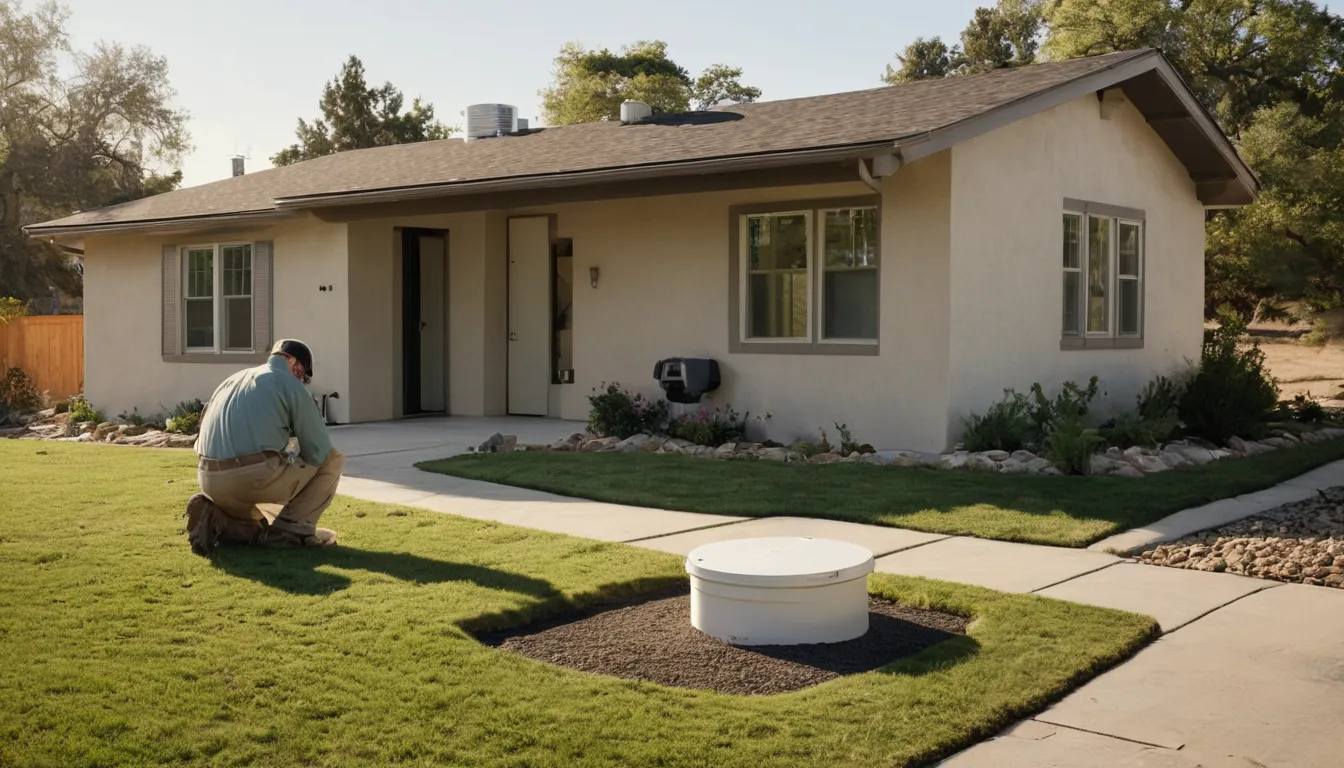
Septic System Repair Services in Elk Grove
Request a septic repair estimate
A wet patch near the tank or drains that slow after showers can point to a septic problem. Those signs do not tell you which part needs repair. A local provider can check the tank, controls, and drainfield before recommending work. Scopevalues Septic helps homeowners in Elk Grove connect with independent providers for that assessment. Describe when the trouble began and whether rain or heavier water use came first.
A lot of people think a septic repair means replacing the whole system. Sometimes a damaged part can be repaired on its own. Other problems need soil checks or a wider plan. Providers in our network assess the conditions at your property. The provider sets the scope, price, and schedule. Ask for a written quote that explains the findings and what happens next.
Start with sewage backing up
If sewage is coming indoors, stop using the affected fixtures and reduce household water use. Keep children and pets away from wastewater. Request a septic assessment and describe where the backup appears. Scopevalues Septic connects homeowners with independent providers. The provider assesses the fault and carries out any agreed repair.
What to report in your request
Mention an active backup, a sounding alarm, or wastewater on the ground at the start of your request. Explain whether you can stop using the affected fixtures. Request a callback to check provider availability. Availability and scheduling depend on the provider, so confirm the next step directly before expecting a visit.
The first few hours depend on water use
There is no fixed countdown from a slow drain to a flooded room. If wastewater cannot leave the system, another shower or laundry load may add to the backup. Pause water use where possible while seeking advice. Note which fixtures are affected and whether the problem changes when water use stops.
A quieter drain can still need attention
A toilet may flush again after the house has been quiet overnight. That change does not prove the fault has cleared. Water may be moving through the system slowly. Tell the provider if trouble returns after meals, showers, or washing clothes. This pattern can help guide the inspection.
Watch what changes over several days
Track the symptoms without opening tank lids or touching wastewater. Write down when odors appear and whether a damp area grows. Photos taken from a safe distance can help explain changes. Avoid waiting for a patch to spread before requesting advice. Weather and household use can change what you see.
Pumping does not mend damaged parts
Septic tank pumping removes accumulated material, but it cannot mend a cracked fitting or replace a failed control. An emergency septic cleaning request may address a backup while leaving its cause unresolved. Ask the provider whether the findings point to a repair and how they plan to confirm the cause.
Small parts can cause wider trouble
Some systems use pumps, floats, and alarms to move wastewater and signal trouble. A fault in one part may affect the system beyond that part. Other systems rely on gravity. Share any system records you have so the provider can identify the layout and check the parts your home actually uses.
Expect findings before a repair proposal
The provider may review past service records, locate access points, and check wastewater levels. Depending on the symptoms, further checks may involve controls or the path toward the drainfield. Ask what the inspection can establish and what remains uncertain. A repair proposal should connect the findings to the work being suggested.
A wet drainfield needs a closer look
A soggy patch does not establish that the entire field needs replacement. Wet soil, uneven wastewater flow, and damaged parts can produce similar signs. Drainfield repair depends on what the assessment finds. Keep vehicles off the area, and ask the provider how they will distinguish a drainage issue from a damaged component.
Ask what replacement would solve
If replacement is proposed, ask why a smaller repair would not address the findings. Site space, soil conditions, and applicable requirements can affect the options. Get the proposed layout and scope in writing. Confirm whether the quote includes excavation, required approvals, and repair of the ground disturbed during the work.
Winter rain can change the assessment
After a long dry season, winter rain may leave the soil around a septic system wetter than usual. Tell the provider whether symptoms began before or after a rain event. Wet conditions can affect access and the timing of digging. Ask how the provider will account for those conditions when assessing the fault.
Dry weather can hide useful clues
A dry yard does not confirm that every part below it is sound. Keep notes if odors or slow drains come and go during dry months. Mild coastal temperatures also do not establish a maintenance schedule. During wildfire smoke periods, check whether outdoor assessment or excavation plans need to change with local conditions.
Property layout affects access
An older bungalow or a stucco ranch home may have limited access to buried parts. A slab, raised foundation, or later addition can affect where the provider can inspect. Share plans if available. If you also arrange water well service, identify the well location before anyone plans septic excavation nearby.
Compare the repair scope in writing
Ask which fault the proposed work addresses and how the provider will check the result. Clarify who handles permits where required. The quote should explain labor, materials, and possible extra charges if digging reveals further damage. Confirm what the household can use while work is underway and when normal use can resume.
Give the repaired system a manageable routine
Follow the provider's instructions for your system after the repair. Ask whether laundry loads should be spaced out and when the repaired area needs another check. Keep access points reachable and record the work completed. If the original symptoms return, report the change to the provider with dates and details.
What's Included
Symptom Review
Tell a local provider what changed, when it started, and how household water use affects the problem.
System Fault Checks
The provider checks relevant parts before explaining which repair may address the symptoms.
Drainfield Repair Option Review
Discuss whether field conditions support a repair or need a wider assessment.
Written Repair Scope
Request clear details about proposed work, access needs, charges, and follow-up checks.
What Might Septic System Repairs Cost?
These broad, typical U.S. ranges vary by job and are planning figures. Access, parts, soil conditions, and required approvals affect pricing. Ask the provider for a written quote before authorizing work.
| Repair item | Typical U.S. range | What affects the price |
|---|---|---|
| Septic alarm replacement | $200 to $600 | Alarm type, wiring, and access |
| Float switch replacement | $200 to $500 | Part type and access to the chamber |
| Septic pump replacement | $800 to $2,000 | Pump size, controls, and installation needs |
| Tank baffle repair | $300 to $900 | Tank access and the extent of damage |
| Distribution box replacement | $500 to $1,500 | Depth, excavation, and pipe connections |
| Drainfield replacement | $5,000 to $20,000 | Soil, field size, and system design; complex jobs may exceed this range |
How It Works
Describe What Changed
Use the request form to explain the symptoms, recent weather, and any effect on your household routines.
Discuss Availability
Confirm assessment timing and access details directly with an independent local septic provider.
Review The Proposed Work
Ask the provider to explain the findings, repair scope, and written price.
Agree On Next Steps
Authorize work with the provider and confirm household water use instructions during repairs.
Why Call Scopevalues Septic
Understand Who Does What
Scopevalues Septic makes the connection. An independent provider assesses the system, quotes, and performs the work.
Practical Preparation
Use your symptom notes to help the provider understand what has changed before discussing repair options.
Seasonal Context
Discuss recent rain and dry conditions without assuming weather explains the entire problem.
Clear Decisions
Ask for findings and written pricing before agreeing to a repair plan.
Other Services
Need septic system repair services in Elk Grove?
Tell Scopevalues Septic what changed at your home. Request an estimate from a local provider, or Request a callback to check provider availability.
No obligationSeptic System Repair Services FAQ
Can a septic system be repaired without replacing it?
Sometimes. A failed float, damaged baffle, or pump fault may allow a limited repair. The provider needs to assess the system first. Ask how the proposed work addresses the cause and what remains uncertain afterward.
Does a wet yard mean my drainfield has failed?
A wet patch alone cannot confirm failure. Recent rain or a damaged part may affect conditions. Keep away from suspected wastewater and ask a provider to assess where it comes from.
Can I use water while waiting for septic repair?
If sewage is backing up, stop using affected fixtures and reduce water use. Ask the provider for instructions suited to the fault. Extra water may worsen a backup while the cause remains unresolved.
Request a callback
Tell Scopevalues Septic what changed at your home. Request an estimate from a local provider, or Request a callback to check provider availability.
No obligation